
Ten years ago, factory floors across North America looked different. Metal dominated. Wood played supporting roles. Today? Advanced polymers have crashed the party and taken over. These synthetic materials bring something fresh to manufacturing that old-school materials just can’t compete with anymore.
What Makes Advanced Polymers Special
Call them super-plastics if you want. That’s basically what advanced polymers are. They laugh at weight restrictions while matching metal’s strength. Heat that would melt regular plastic? Some polymers shrug it off. Chemicals that eat through standard materials? Certain polymers couldn’t care less.
Here’s a comparison that works. Consider the shift from flip phones to smartphones. The same vibe. Polymers have made new avenues for manufacturers possible. An aircraft part needs to withstand extreme cold in the Arctic at 30,000 feet. Food packaging must ensure the safety of your leftover food. Different polymers, different jobs, problem solved.
Read More: Essential Financial Skills Every Serious Indian Investor Must Master Now
Engineers mess around with molecules like kids with building blocks. Rearrange them one way, you get flexibility. Switch the pattern, now you’ve got heat resistance. Want both? They can likely figure that out. Molecular architecture is simply smart building at the smallest scale.
Transforming Key Industries
Cars have gone polymer-crazy, and for good reason. Open any car door today. Look around. Hundreds of polymer parts stare back at you. Weight drops. Fuel efficiency climbs. Safety improves too. Polymers absorb crashes differently than metal. Sometimes better. Electric vehicles love this stuff even more. Every pound saved means the battery takes you farther.
Packaging went through its own polymer makeover. Less material protects products better. Food stays fresh longer. Some newer polymers even decompose after you’re done with them. Companies cut waste. Products arrive intact. Everyone wins. Medical devices? That’s where things get really impressive. Surgeons implant polymer devices that bend with your body. These materials ignore body fluids that would corrode metal. Years pass. The polymer keeps working. Some actually encourage your own tissue to grow around them, becoming part of you.
The Rise of Specialty Manufacturers
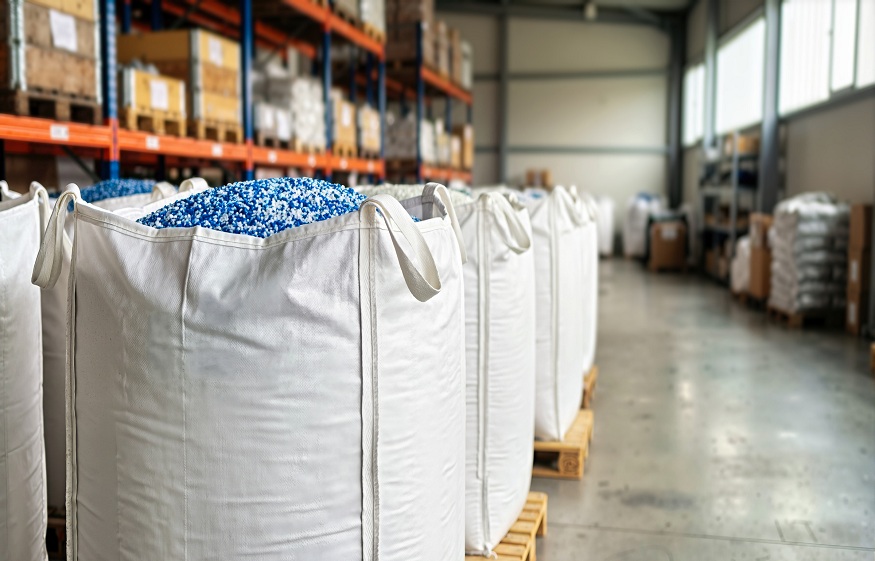
North America has become polymer central. Specialized companies popped up everywhere to feed this hungry market. Consider expanded polystyrene production. Epsilyte is a leading EPS bead manufacturer USA factories depend on for raw materials. These beads become insulation, packaging, and dozens of other products.
This specialization created something powerful. Raw material makers talk directly with product manufacturers. Need a polymer that does something specific? They’ll cook one up. Custom solutions happen fast. North American factories stay ahead of global competition because of this teamwork. The whole supply chain got smarter. Information flows both ways. Manufacturers tell suppliers what they need. Suppliers share what’s possible. Innovation accelerates when everyone collaborates like this.
Read More: Personal Loans for Women Entrepreneurs: How to Get Quick Approval Online
Looking Ahead
Polymers keep getting weirder in the best way. Self-healing materials sound like science fiction, but they’re coming. Small cracks fix themselves. No repair needed. Temperature-sensitive polymers change properties when things heat up or cool down. Plant oils might replace petroleum as the starting point for some polymers. What does this mean for manufacturing? Everything changes. Again. Processes get cleaner. Products last longer but also break down better when they’re supposed to. Recycling becomes less of a headache when polymers are built to be reused from day one.
Conclusion
Advanced polymers already turned North American manufacturing upside down. Good thing too. These materials help factories build better products cheaper and cleaner than before. The companies paying attention to polymer development today will dominate tomorrow. This isn’t some far-off prediction. The polymer age arrived while we were sleeping, and now it runs the show in factories from Detroit to Vancouver. Manufacturing will never be the same, and honestly, that’s exactly what we needed.